






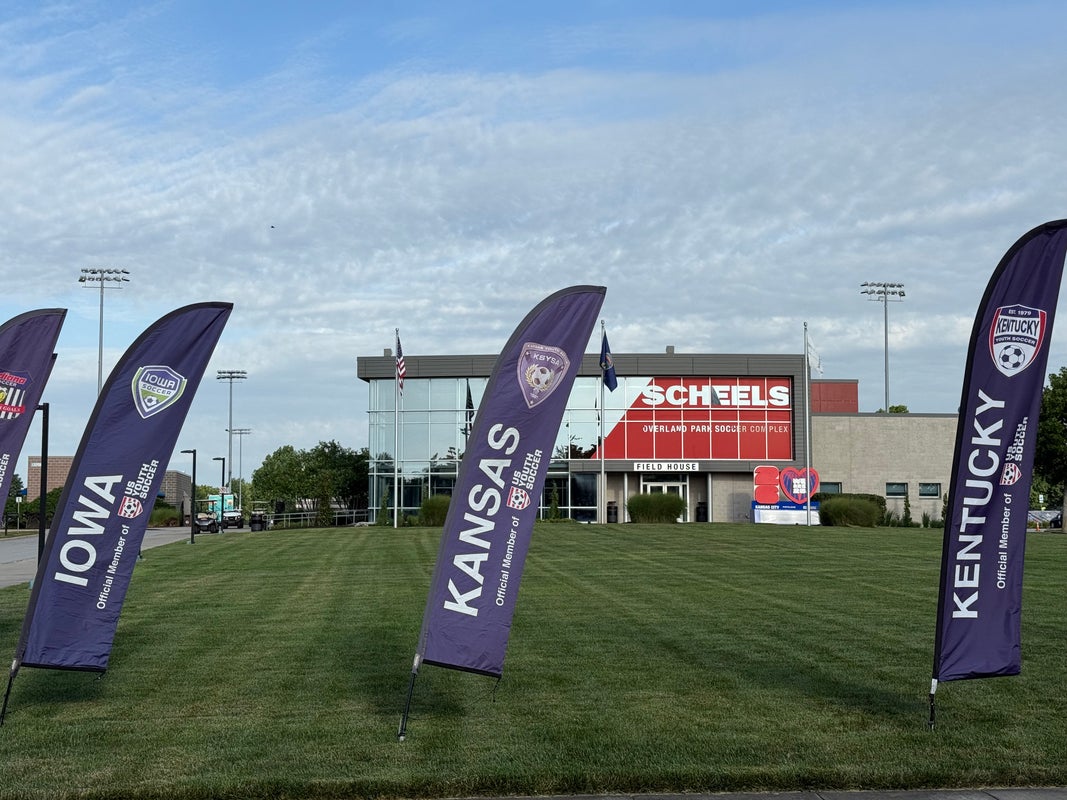
The Legislature is turning its attention to luring amateur sporting events to Kansas, putting it on a competitive level with other states that are offering similar incentives to draw soccer, volleyball, softball and basketball tournaments, among others.
The House commerce committee on Wednesday agreed to send to the full House a bill that would allocate $1.5 million from a state fund that is largely financed by lottery and gaming proceeds that are used to boost the state’s economy.
The committee sent the bill to the House last year, but the legislation was returned to the commerce committee early this session for further work.
“We’re rich with facilities,” said Warren Wilkinson, president of Visit Overland Park, the city’s marketing and tourism arm.

“But the fact is, we’re living in an arms race with other states and communities building like-size facilities and funding competitive challenges to attracting business,” Wilkinson said.
Wilkinson said there are 23 states with funds intended to help draw local sports tourism events, including Missouri, Oklahoma and Nebraska.
He said sports tourism generated about $318 million in direct economic impact for Kansas, including $163 million in lodging and transportation, $65 million in food and beverage sales and $1 million in hotel taxes.
“There are communities all across the United States investing in this space, and we just want a level playing field for Kansas,” Wilkinson said.
“These are economically impactful events that – if we can’t compete with other states and other communities – we’ll see leave,” he said.
The secretary of commerce would award the grants based on a dollar-for-dollar match.
The secretary would be authorized to reserve $250,000 of the available funds for grants to projects in counties outside Johnson, Sedgwick and Wyandotte counties.
The money could not be awarded for professional sports leagues including Major League Baseball, the NFL, the NBA, NASCAR, professional women’s soccer and international sporting events including men’s professional soccer.
The money, however, could be awarded for exhibition games for professional sports franchises.
The money could be used for officials’ travel and housing, promotions and marketing, renting equipment or flooring that is required to produce the event.
The grant funds could not be used for building, renovating or remodeling a facility or purchasing permanent equipment.
The funds also could not be used for debts incurred by the grant applicant before the money is awarded for the event.
The money also could not be used for printed programs that solicit advertisements,
hospitality or social functions for events outside the sports venue that include alcohol, or expenses for travel outside of the county hosting the event.
The final amount of the grant award would be determined by the commerce secretary based on verified economic impact and hotel nights generated by the event.
The maximum grant amount would be limited to no more than 12.5% of the state sales tax generated from the local jurisdiction during the event’s time period.
As a condition of receiving the grant, the bill requires applicants to provide a post-event report to the secretary including an expense report with proof of payment of eligible expenses equal to at least the grant’s amount.

The event organizer would have to document the total number of hotel room nights that were generated in the local market.
“Sports are big business,” said Susie Santo, president and chief executive officer for Visit Wichita, the destination marketing organization for the city of Wichita.
“If you are a parent and you have a child that’s played on a traveling team, then you know exactly what I’m talking about,” she told the committee.
“Weekend after weekend traveling to cities, and you know what that means, the hotel room, the meals, the team meals, the breakfast in between games, the entertainment, the shopping, the going to the movie,” she said.
“I have watched as colleagues and friends have traveled all over the country with their kids watching them compete,” she said.
“And whether it’s youth sports or professional or amateur or collegiate, when towns host these events, they win big time because sports are a massive economic driver.”
Santo pointed to Wichita’s success in landing major events including the NCAA men’s basketball tournament, the United States Youth Soccer Presidents Cup and the U.S. Figure Skating Championships.
“We’ve proven we can attract,” Santo told lawmakers.
“Imagine what we could do with a state grant program, because when Wichita wins, Kansas wins,” she said.
“The landscape has changed. It is extremely competitive,” she said.
“Rights holders expect local support,” she said.
“They expect us to come with dollars to the table to help ease their burden.
“And without state grant programs, Kansas communities can only bring the local dollars to the table while we are competing against cities across the country that have both the local and the state support.
“This puts Kansas at a competitive disadvantage before the bid process has even started.”