



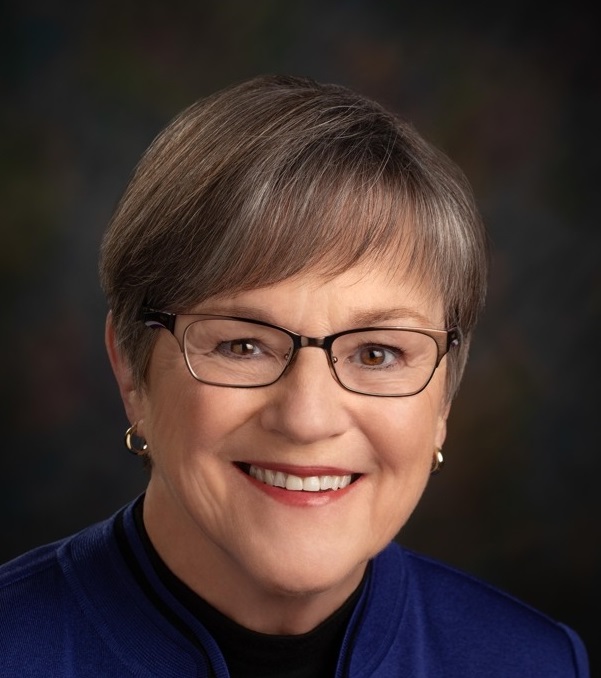
As she prepares to deal with a newly expanded Republican supermajority in the Legislature, Democratic Gov. Laura Kelly said she’s still trying to get a better sense of the makeup of the House and Senate.
“I’m not sure what we’re dealing with yet,” Kelly said Friday in an interview with the Sunflower State Journal as part of her year-end interviews with media outlets.
With the new legislative session just weeks away, the governor said she’s trying to get a better idea of the composition of the Legislature beyond just a party label.
“We know what party these legislators are in,” Kelly said.
“What we don’t know, though, is why they ran, what they value, whether or not they’re coming here to toe the party line or if they’re coming here to represent their constituents, in which case they’ll take a good look at every issue by the issue,” Kelly said.
“We just have to figure this out,” she said.
Kelly moves into her last two years as governor facing an 88-member Republican caucus in the House and 31 Republicans in the Senate.
The Kansas GOP expanded its majority this fall after the governor’s Middle of the Road political action committee failed to defeat Republicans in key races after raising more than $2 million.
Kelly acknowledged the change in leadership in the Senate where Republicans elected three new leaders, including a new vice president and majority leader.
Sen. Chase Blasi of Wichita upended Sen. Larry Alley of Winfield for majority leader, and Republican Sen. Tim Shallenburger of Baxter Springs defeated Assistant Majority Leader Renee Erickson of Wichita for vice president.
Alley lost despite having very public support from Senate President Ty Masterson.
“We’ve got new leadership in the Senate, which could make a lot of difference in the relationships that we have in the Senate,” Kelly said.
Kelly said she hoped her administration might benefit from the leadership change.
“Tim Shallenburger obviously has been a chamber leader before, and Chase is a pretty independent operator and we have worked with him on a number of things, particularly think about early childhood issues,” Kelly said.
“We have a pretty good track record of working with both,” she said.
Looking back on the results of the 2024 elections, Kelly acknowledged that the outcome was very different from what she expected.
“To be honest with you, I don’t know what happened,” she said.
“We’re still really taking a deep dive and analyzing what happened, who voted for whom and why,” she said.
“We really need to figure that out because we’ve got more elections in a couple of years and I want to see a different outcome,” she said.
“We had good candidates. We had a healthy amount of money. The candidates raised a lot of money themselves. They ran good campaigns.
“Something happened that made the outcome very different than I expected it to be and, I think, a lot of people expected it to be,” she said.
“We just don’t know right now exactly what it was. We’ve got some thoughts about what it might be, and we’ll explore those and see if it’s true,” she said.
Kelly couldn’t say whether there was too much emphasis placed on the abortion issue during the last election, although she readily questioned how influential that single issue could be in a campaign.
“Certainly, from the outcome it’s clear that was not a primary issue for Kansas voters,” Kelly said.
“In some ways, that doesn’t surprise me,” she said. “I’ve never thought that, except for a very slim minority, that was it.”
Kelly said when she knocked doors running for the Kansas Senate, abortion never came up unless it was a “one-issue” voter.
“I’ve had the door slammed in my face sometimes when they realized that I was pro-choice, but I never had a door slammed in my face on any other issue other than that,” she said.
Kelly said she think that perhaps Kansans thought the abortion issue was in “some sense” settled after the 2022 vote on the constitutional amendment.
“But we’ll have to do the deep dive and see if that’s the case, but I’ll be surprised if it’s not the case.”